Why Fax Services Matter Today
| Key Info | Details |
|---|---|
| Purpose | Secure, fast document transmission, especially in regulated industries |
| Main Users | Healthcare, legal, finance, government, B2B sectors |
| Transition | Legacy devices to cloud-based and online solutions |
| Main Benefits | Efficiency, compliance, mobility, lower costs |
A fax service is more than just sending documents—it’s often a critical bridge between digital and traditional paperwork. Many businesses, especially in healthcare or finance, still need fax for compliance and secure communications. While email is quick, only fax covers certain legal or regulatory requirements. This means the right solution can save time, reduce manual errors, and ensure sensitive data stays protected.
But is the standard office fax machine enough? With remote work, higher volume, and compliance demands, businesses are forced to reconsider. The next section explores the wide array of modern fax options now available—a big leap from the noisy machine in the corner.
Types of Fax Services: Online, Cloud, and More
Today’s market offers a rich selection of fax services. A quick glance shows the key difference between conventional hardware and modern, cloud-based platforms. Instead of paper jams and busy lines, online solutions let you send and receive faxes with a few clicks—anywhere, anytime.
Here are the main types you’ll encounter when searching for the best fit:
- Online Fax Services: Fax via web browser or email interface—no physical hardware needed
- Cloud-Based Fax: Integrates with business cloud storage and productivity tools for seamless document management
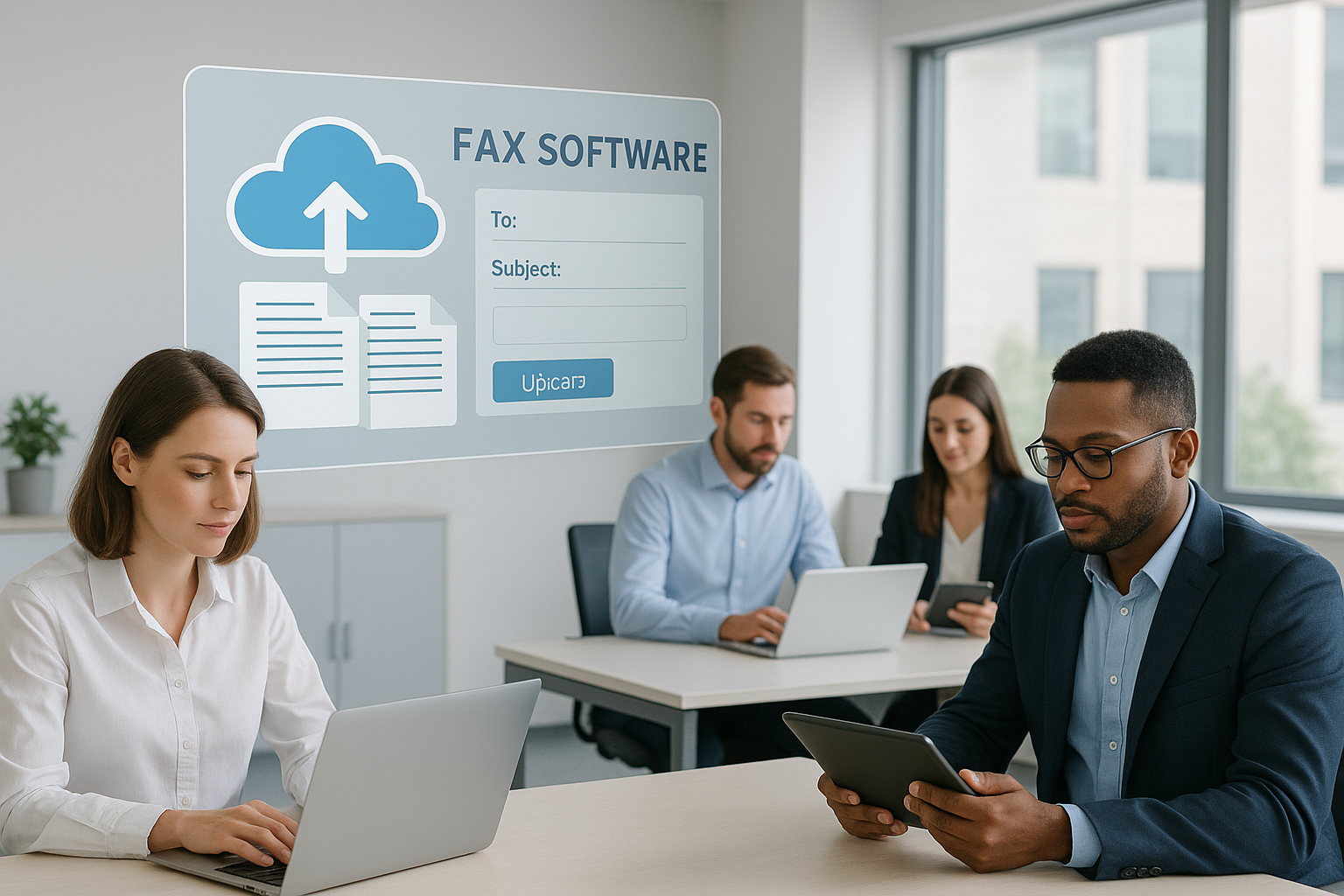
- Fax Software: Desktop or mobile applications, often installed within your own IT systems for extra control
- API Fax Solutions: Enable developers to send/receive faxes from within custom applications
- Traditional Fax to Email: Automatically digitizes incoming paper faxes for email delivery
The main difference that stands out is flexibility. While old-school fax restricts users to the office, today’s services let teams fax from home—or anywhere business takes them. But with options comes complexity. So how do you choose?
Key Features to Consider When Choosing a Fax Service
At first, many fax services look very similar. But a deeper comparison reveals practical differences that can impact your daily workflow, compliance, and costs. Identifying the must-haves up front can save you time and frustration later.
- Security & Compliance: Look for HIPAA or GDPR compliance, encryption, and secure data centers
- Scalability: Will the platform handle increased volume as your business grows?
- Integration: Compatible with your existing email, document management, and CRM tools?
- Ease of Use: Clear dashboard, multi-device access, simple sending/receiving process
- Support & Uptime: 24/7 customer support, SLAs, and transparent performance reporting
- Cost Transparency: No surprise charges for pages, storage, or additional users
It’s easy to focus only on price, but a reliable, secure fax service brings greater value. The best solution fits both your current size and future plans. But which providers deliver these essentials in real business use?
Top Fax Service Providers Compared
Popular Fax Platforms of 2024
| Provider | Main Strength | Key Limitation |
|---|---|---|
| eFax | Wide compatibility, seasoned brand, mobile app | Overage fees, fewer integrations |
| MyFax | Simple interface, good for small teams | Limited advanced features |
| SRFax | HIPAA-compliant, robust privacy | Dated UI, slower onboarding |
| Biscom 123 | Enterprise features, admin tools | More complex setup |
| Fax.Plus | Great mobile and API options | Some plans restrict volume |
Each platform offers a slightly different approach—some deliver a wider range of options for enterprises, while others keep it lean for easy adoption. The processing engine behind each is rarely visible but often powerful, affecting reliability and speed. User experience, on the other hand, becomes obvious from the first fax sent.
Your own needs—like regulated data handling or automation—should guide the final choice. Next, let’s break down what you can expect in terms of pricing and plan differences, which are key for budget planning.
Pricing and Plan Comparisons
Most fax services structure pricing around monthly page limits, number of users, and advanced feature sets (like integrations and enhanced security). Pricing is often more transparent than legacy phone-line costs, but still varies by provider and business needs.
- Entry plans start around $8–$15/month for occasional faxing
- Mid-tier business plans range from $20–$40/month with higher page caps and multiple users
- Enterprise or API-based solutions are custom quoted and offer bulk faxing, greater storage, compliance tools, and integrations
What stands out is that many providers charge overage fees if you exceed the monthly page limit. Be sure to estimate typical fax volume carefully before signing up. Some services may also offer discounts for annual billing or non-profit organizations. The value comes not just from upfront pricing, but from features that truly fit your workflow.
Migration Tips and Integration Questions
If you’re switching from traditional fax machines or another provider, smooth migration is essential. A fast switch reduces downtime and risks lost communication. Here are practical steps to consider:
- Prepare all key contacts and notify partners about a new number or digital fax address
- Export or archive any historical faxes you may need for compliance
- Test new integrations with your main productivity tools—like cloud storage or EHR/CRM systems
- Set clear user roles for teams in larger organizations
Integration can make or break your fax experience. Does your new service plug into existing workflows, or does it mean extra data entry and training? The best fax solutions offer pre-built integrations or flexible APIs for a seamless transition. Remember, the goal is real productivity—so users can send and receive faxes as easily as email.
FAQ: Fax Service Essentials
What is an online fax service?
An online fax service lets you send and receive faxes using email, the web, or a mobile app—without a physical fax machine. Documents are digitized, secure, and easy to archive.
Are fax services secure for sensitive documents?
Yes—top fax platforms offer encryption, audit trails, and various compliance certifications. Look for HIPAA or GDPR if you handle regulated data.
How do I port my existing fax number?
Most providers can port (transfer) your current fax line to their cloud service. This process may take several days, so plan for a transition period.
Can I fax from my smartphone?
Absolutely. Many leading services offer well-designed mobile apps so you can fax documents from anywhere, using your phone’s camera or files.
What does « API faxing » mean?
API faxing allows software developers to embed fax-sending and receiving into other programs, automating workflows and reducing manual effort.
Choosing the right fax service can transform how your business handles confidential documents, helps teams work from anywhere, and ensures you meet legal requirements—all while keeping workflows smooth and costs in check. The real key is matching a platform’s features to your daily needs and future goals.